Features
“Cult Songwriter Makes Her Book Debut,” interview with singer-songwriter AMY RIGBY about her memoir Girl to City, Chicago Reader, October 18, 2019. “Writing songs, it’s art in a way,” says Rigby. “It’s not you; you’re constructing something that is removed from you, Writing a book that’s about [your] experience, you have to put yourself in there.”
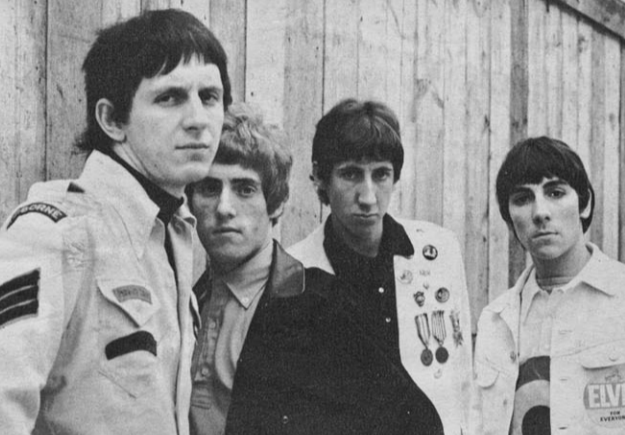
“Who Made the Who?,” interview with James D. Cooper, director of THE WHO documentary Lambert & Stamp, Chicago Reader, May 14, 2015. “For years the Who’s story has been defined onscreen by Jeff Stein’s raucously funny The Kids Are Alright (1979), which … is less a history of the Who than part of its legend. Lambert & Stamp is something else entirely, an engrossing business story that approaches the band as a showbiz concern.”
“The Pope Who Found Jesus,” on the born-again awakening that split up Chicago punk-pop heroes the SMOKING POPES, Chicago Reader, May 12, 2000. “For a long time, music was my religion,” says lead singer Josh Caterer. “If you’re gonna dedicate yourself to something, and really channel all your energy towards it, and expect it to give meaning and substance to your life, that’s religion, basically. It just turned out to be a false religion.”
“Prove It All Night,” on the LAKEVIEW LOUNGE, Chicago Reader, April 30, 1999. Reprinted in Da Capo Best Music Writing 2000. “Six hours is a lot of time to kill, and when they’re playing to a near empty room—which is often—Larry, Raul, and Gilbert can sound as bored as they are, walking through tunes they‘ve played literally hundreds of times. But they can play just about anything—blues, R & B, country and western, classic rock, big-band and jazz standards, Latin ballads, Italian crooners, on and on—and when they get an audience, the energy comes rushing back.”
“Ska’s Lost Cause,” on the Chicago stop of the SKA AGAINST RACISM TOUR, Chicago Reader, July 24, 1998. “‘God, I hate to say this,’ said Blue Meanies singer Billy Spunke, whose band performed that night, ‘but it was almost like the racism part of this tour was just a marketing tool.'”
“In Mod We Trusted,” on the CHICAGO MOD REVIVAL, Chicago Reader, September 5, 1997. “The mods had their own parties, their own fanzines, and their own shows…. It was all over in a few years; people grew up and moved on. But for one brief skanking moment, the kids were indeed alright.”
Reviews
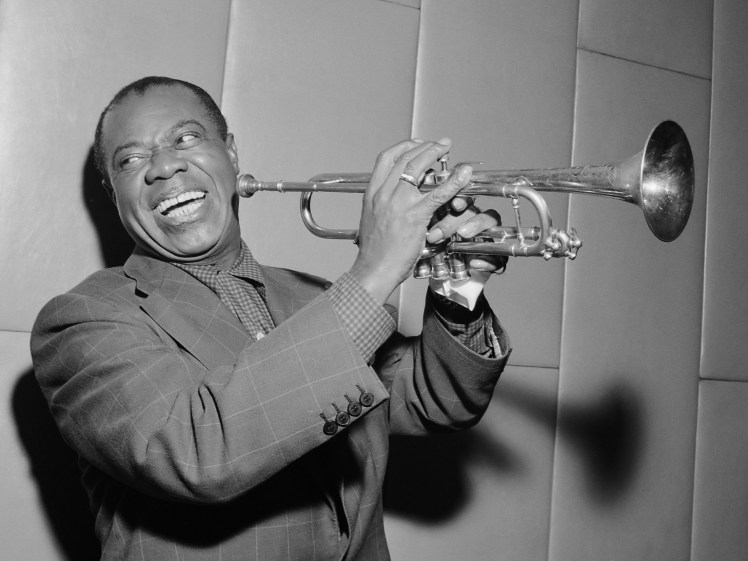
“True Lies” (review of Laurence Bergreen’s LOUIS ARMSTRONG: An Extravagant Life), Chicago Reader, February 20, 1998. “The music he left behind is a triumph of individual expression, yet his biographers have always seemed unsure how to portray him as an individual.”
“Beach, Beach, Beach” (review of the BEACH BOYS, Skyline Stage, Chicago, 9/8/96), Chicago Reader, September 13, 1996. “Their current retrospective projects, Stars and Stripes (on Chicago’s River North label) and The Pet Sounds Sessions, illustrate the deep divisions that have plagued the band throughout its career.”
“Interaction Figures” (review of the BEASTIE BOYS‘ Video Anthology and the RESIDENTS’ Icky Flix), Chicago Reader, February 23, 2001. “While DVD is destined to wipe out videotape as anything but a home-recording format, its effect on pop is an open question. … Two new releases–by legendary prog-rock weirdos the Residents and Gen-X flag-bearers the Beastie Boys … take a stab at confronting the format on its own highly interactive terms.”
“Too Late the Hero” (review of BIG STAR, Cabaret Metro, 5/6/99), Chicago Reader, May 14, 1999. “This time [Alex Chilton] was back for the encore, and after the lights went up he came out to shake hands; finally he sat down on the edge of the stage and and chatted with fans until the room was cleared. No big star, no number-one record, but perhaps in the music he found something to be nostalgic for after all.”
“A Little Night Music” (review of Drew DeNicola and Olivia Mori’s BIG STAR: Nothing Can Hurt Me), Chicago Reader, April 18, 2013. “Big Star may have burned brightly, but it did so in a vast, black emptiness, its light taking years to reach the earth.”
Tribute to BUZZCOCKS front man Pete Shelley, Chicago Reader, December 11, 2018. “For all the lust in Shelley’s songs. he was also preoccupied with the great questions of existence, which began to invade his lyrics as Buzzcocks branched out from two-ahd-a-half-minute blasts of melody into a more psychedelic sound.”
“Give ’Em Enough Rope” (review of Marcus Gray’s Last Gang in Town: The Story and Myth of THE CLASH), Chicago Reader, August 22, 1997. “The last time the original Clash played Chicago—at the Aragon on August 12, 1982, to be exact—I couldn’t tell whether I was at a rock ‘n’ roll show or basic training.”
“Stolen Thunder” (review of the CREATION’s Making Time and Biff Bang Pow! and the PRETTY THINGS’ S.F. Sorrow, Chicago Reader, February 5, 1999. “From 1964 to ’68, both bands were trading sounds, gimmicks, and sometimes personnel with the Stones, the Kinks, the Who, the Faces, and the Yardbirds. But factors other than talent conspired to determine who would go off to play stadiums and who would while away the years down at the pub.”
“The Straight Stories,” (review of RAY DAVIES at the Vic, 10/7/2001), Chicago Reader, October 12, 2001. “Davies could have walked onstage at the Vic and played 90 minutes of his most overlooked tunes … and the crowd would have been more moved and elated than it was hearing songs they could listen to on the Drive. But after [his band] the Kinks managed to crawl back from obscurity in the 70s, they invariably gave the people what they wanted, or at least what they seemed to want.”
“Adventures in Hi-Fi” (review of the FLAMING LIPS’ Zaireeka and the BEACH BOYS’ Pet Sounds Sessions), Chicago Reader, December 12, 1997. “Beach Boys founder Brian Wilson … wanted to to control not just the musicians’ interpretations but also the listener’s. Zaireeka, by its very design, is an imperfect collaboration between the musicians and the listener.”
“Why Gang of Four Washed Out,” (review of GANG OF FOUR’s 100 Flowers Bloom), New York Press, December 16, 1998. Reprinted in Chicago Reader, January 8, 1999. “A linear retrospective of the band’s career might have shown how even the grandest of ideas can wither over time. History is the reason they’re washed up.”
“Scared of Her Own Voice” (review of MARGO GURYAN’s Take a Picture and 25 Demos), Chicago Reader, May 3, 2002. “By the time Guryan hit her stride, in the late 60s, the line dividing singer from songwriter was being erased by rock artists. … Together the reissues reveal one of the most overlooked talents of that explosively creative time, a reluctant vocalist whose songs, perversely, were indivisible from her voice.”
“Recycled Hero” (review of JIMI HENDRIX’s Are You Experienced?, Axis: Bold as Love, Electric Ladyland, and First Rays of the New Rising Sun), Chicago Reader, May 9, 1997. “In the continuing saga of Jimi Hendrix, “definitive” no longer means much, and this new set of releases has only escalated the war of words between Experience Hendrix and the production team responsible for his recordings from 1974 through 1995.”
“Nothing Sacred,” on Andrew Lloyd Webber’s JESUS CHRIST SUPERSTAR, performed at Pheasant Run Resort, Chicago Reader, January 23, 1998. “Anyone could tell this was a new kind of gospel, with no miracles, no resurrection, and no promises, and Jesus (Ian Gillian, whom Rice and Webber plucked from Deep Purple) shrieking at lepers and temple merchants as though he might at any moment tear into ‘Space Truckin'”: Come ow-n! Come ow-n!“
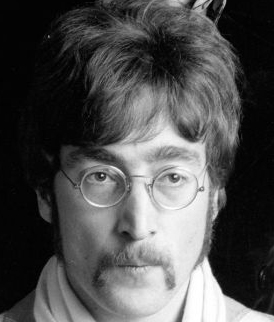
“The Dakota Diaries” (review of Geoffrey Giuliano’s JOHN LENNON biography Lennon in America), Chicago Reader, August 18, 2000. “[At his death,] Lennon had become one of the great heroes of the day by [retailing his grief], at one point releasing an avant-grade album on which he amplified the dying heartbeat of his miscarried child … so who could fault the National Enquirer for publishing a paparazzo’s grainy close-up of the corpse on its slab? John Lennon had made his bed, and now he would have to sleep in it (forever).”
“Young Americans” (review of Hedi Ewing and Rachel Grady’s Jesus Camp and David Leaf and John Scheinfeld’s The U.S. vs. JOHN LENNON), Chicago Reader, September 29, 2006. “Any mind young enough to be shaped can be misshaped as well: Mark David Chapman, who shot John Lennon to death in 1980, is routinely identified as a ‘deranged fan,’ but ‘deranged fundamentalist’ would be more accurate.”
“The Price of Infamy” (review of JOHN LYDON on The Late Late Show With Tom Snyder, May 23), Chicago Reader, May 30, 1997. “The rematch was a guaranteed letdown, but in a way it was an appropriate coda to the Sex Pistols’ tired reunion tour and live album: during their original reign of terror, the Pistols’ music was always overshadowed by their exploitation of and by the media, particularly television.”
“When the Music Makes the Movie” (review of Phillip Galloway, Tom Gulotta and David Peck’s documentary Movin’ On Up: The Music and Message of CURTIS MAYFIELD and the Impressions, and Martin Scorsese’s ROLLING STONES concert documentary Shine a Light), Chicago Reader, April 3, 2008. “The Scorsese movie easily trumps Movin’ On Up as a cinematic experience, though hearing the elderly Stones pick through their back catalog isn’t nearly as gratifying as all the rare footage of Mayfield at the height of his passion and social protest.”
“Monsters of Rock” (review of the MISFITS’ American Psycho), Chicago Reader, July 11, 1997. “Copied from the September 1953 cover of Chamber of Thrills, [Glenn Danzig’s sleeve for “Die, Die My Darling”] harked back to a time when gruesome comics were considered just as subversive an influence as the hip-shaking rhythms of rock ‘n’ roll—back when, denied the petit mort of orgasm, kids would indulge themselves in the big, splashy death of zombies, werewolves and vampires.”
“Don’t Try This at Home” (review of the MUSIC TAPES’ 1st Imaginary Symphony for Nomad), Chicago Reader, August 6, 1999. “Eric Clapton may have been God in 1965, but by 1979 the messiah was Sid Vicious, who’d done his best work with a bass guitar when he was swinging it at someone. Punk proved you could make compelling music with a minimum of technical skill. … [But] after two decades the punk ethic has begun to generate its own pernicious arrogance.”

https://creativecommons.org/licenses/by-sa/3.0/nl/deed.en , via Wikimedia Commons)
“Freaks and Geeks” (review of Andrew Horn’s KLAUS NOMI documentary The Nomi Song and Don Argott’s Rock School), Chicago Reader, June 3, 2005. “No kid graduates from rock school without learning to preen, and as soon as a musician is good enough to get onstage, the communal fun of making music begins to compete with the lure of the spotlight.”
“Death Became Them” (review of Kenneth Bowser’s documentary PHIL OCHS: There But for Fortune and Steven Soderbergh’s documentary And Everything Is Going Fine), Chicago Reader, February 17, 2011. “In the end, both [Phil Ochs and Spaulding Gray] are less interesting for having destroyed themselves than for having created themselves so vividly while they were alive.”
“Cinema Par-Tay” (review of the PHISH concert documentary Bittersweet Motel), Chicago Reader, September 15, 2000. “[Phish] all grew up on the same rock films as I did–Monterey Pop, The Last Waltz, The Kids Are Alright, The Song Remains the Same–and seem eager to provide director Todd Phillips with a verite we’ll all recognize and enjoy.”
“Soul of the City” (review of ELVIS PRESLEY’s Suspicious Minds and DUSTY SPRINGFIELD’s Dusty in Memphis), Chicago Reader, July 23, 1999. “The Elvis and Dusty reissues showcase an extraordinarily gifted rhythm section exploring a wide range of sounds, from gospel to swamp blues to country to pop …. If the Stax label was the voice of the black urban south, then the accumulated work of [American Sound Studio] was the sound of the white south rolling with the changes.”
“One Hit, 30 Years, 96 Tears” (review of ? & THE MYSTERIANS, Empty Bottle, 11/1/97), Chicago Reader, November 7, 1997. “Most people know ? & the Mysterians by their Top 40 calling card, the enduring ’96 Tears.’ With its sneering vocals, staccato chords, and looping organ riff, it tore all the way up the chart in October 1966, making overnight stars of five working-class Mexican-American kids from Saginaw, Michigan.”
“A Maestro and a Monster” (review of Vikram Jayanti’s The Agony and the Ecstasy of PHIL SPECTOR), Chicago Reader, October 21, 2010. “When a painter faces his canvas, or a writer his page, he shuts out the rest of the world and becomes a master of the universe whose every whim must be obeyed. This sense of omnipotence is intoxicating, and it explains why so many radical, game-changing artists [have been] such miserable people to live with: once the creative spell is broken, and they’re thrust back into the real world of leaky faucets and unpaid bills, their anger can be blinding.”
“National Anthems” (review of SUPER FURRY ANIMALS’ Mwng and the INTERNATIONAL NOISE CONSPIRACY’s Survival Sickness), Chicago Reader, June 9, 2000. “With English the lingua franca for a global economy and world trade agreements overtaking national sovereignty as a political force, releasing an entire album in an obscure tongue seems like a bigger ‘fuck you’ to the powers that be than wearing black turtlenecks and throwing around a lot of esoteric political philosophy.”
“Snob Appeal” (review of the UPPER CRUST, Double Door, 3/19/98), Chicago Reader, March 27, 1998. “In their periwigs, beauty spots, jabots and knickers, the lords of the Upper Crust bring rock closer to what it ought to be: a sharp slap in the face, reminding us that the lords of entertainment are bona fide members of America’s ruling class.”
“Service Revolvers,” on the history of the U.S. Army’s V-DISC RECORDINGS during World War II, Chicago Reader, December 26, 1997. “At the end of the American century, with arts funding on the wane and privatization schemes snaking through Congress, it’s hard to believe that some 50 years ago the U.S. government was running one of the country’s best record labels.”
“Too Much of a God Thing” (review of XTC’s Apple Venus Volume 1 and Wasp Star (Apple Venus Volume 2), Chicago Reader, June 16, 2000. “[Guitarist Andy Partridge is] used to getting his own way, and since XTC formed in 1975, he‘s nudged out numerous record producers and four bandmates. … Despite all the critical fawning, [the Apple Venus records] show how far XTC has succumbed to Partridge’s stifling creative control.”
“Eagles Ripped My Flesh” (review of Thorsten Schutte’s Eat That Question—FRANK ZAPPA in His Own Words), Chicago Reader, July 7, 2016. First Place, Best Film Criticism, circulation 45,000 and over, Association of Alternative Newsmedia, 2017. “What Zappa had to say was always unpredictable. Politically he was a libertarian who wanted the government out of his life, philosophically a secular humanist who wanted the church out of his government.”
 jrjones.online